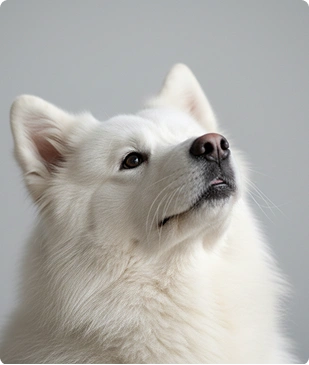


Siberian Huskies are intelligent, energetic, and incredibly loyal dogs known for their striking appearance and playful personalities. Their thick double coat, high energy levels, and unique nutritional needs make proper care especially important.
Whether you’re a new Husky parent or have been caring for one for years, understanding their health, diet, exercise, and grooming needs can help your companion stay happy and healthy.
1. Give Your Husky Plenty of Exercise
Huskies were bred to run and pull sleds, so they naturally have high energy levels. Regular physical activity is essential for both their physical and mental health.
Aim for daily activities such as:
- Long walks or hikes
- Running and jogging
- Interactive games like fetch
- Agility exercises
- Puzzle toys and training games
Without enough stimulation, Huskies can become bored and may develop destructive behaviors.
2. Pay Attention to Their Diet
A balanced, high-quality diet provides the nutrients Huskies need to maintain healthy muscles, bones, skin, and coat.
Choose food that provides:
- High-quality protein
- Healthy fats and omega fatty acids
- Essential vitamins and minerals
- Adequate fiber
- Fresh, clean water throughout the day
Portion sizes should be based on your dog’s age, activity level, weight, and overall health. Avoid overfeeding, even if your Husky seems hungry, because maintaining a healthy weight helps reduce stress on their joints.
3. Keep Their Thick Coat Healthy
Huskies have a dense double coat designed to protect them from harsh weather. They naturally shed their undercoat heavily during seasonal changes.
Regular brushing can help:
- Remove loose fur
- Prevent mats and tangles
- Distribute natural oils
- Keep the skin healthy
- Reduce loose hair around your home
A thorough brushing routine is particularly important during shedding seasons.
4. Don’t Shave a Husky’s Coat
Because Huskies have a naturally insulating double coat, shaving is generally unnecessary. Their coat helps regulate body temperature and protects their skin from environmental exposure.
Instead of shaving, focus on regular brushing and keeping your dog comfortable in hot weather.
5. Watch for Common Health Concerns
Like all breeds, Huskies can be susceptible to certain health problems. Regular veterinary checkups can help identify potential issues early.
Some concerns that Husky owners should be aware of include:
- Hip and joint problems
- Eye conditions
- Skin allergies
- Dental disease
- Obesity
- Parasites and infections
Changes in appetite, energy, movement, vision, skin, or behavior should not be ignored.
6. Protect Your Husky From Heat
Huskies are particularly sensitive to hot weather because of their thick coat and high-energy nature.
During warmer months:
- Exercise during cooler parts of the day
- Provide plenty of fresh water
- Keep access to shade or air conditioning
- Avoid hot pavement
- Watch for signs of overheating
Heavy panting, excessive drooling, weakness, confusion, or collapse can be signs of heatstroke and require immediate veterinary attention.
7. Make Grooming a Routine
In addition to brushing, your Husky’s grooming routine should include regular nail trimming, ear checks, and dental care.
Brushing your dog’s teeth regularly can help reduce plaque and support better oral health. Check the ears for unusual odor, redness, discharge, or irritation.
8. Give Them Mental Stimulation
Huskies aren’t just physically active—they’re highly intelligent dogs that need mental challenges too.
Training sessions, scent games, puzzle feeders, and interactive toys can help keep their minds engaged.
Short, consistent training sessions are often more effective than long sessions, especially when using positive reinforcement.
When Should You Contact a Veterinarian?
Contact your veterinarian if you notice persistent changes in your Husky’s behavior or health, including:
- Sudden loss of appetite
- Unusual tiredness
- Difficulty walking
- Persistent vomiting or diarrhea
- Excessive scratching
- Eye changes
- Breathing difficulties
- Sudden weight changes
Early veterinary attention can make a significant difference when health problems develop.
Final Thoughts
Caring for a Siberian Husky requires commitment, exercise, proper nutrition, grooming, and regular veterinary care. With the right routine, these energetic and affectionate dogs can thrive and become wonderful lifelong companions.
The key is to understand your individual Husky’s needs and work with a veterinarian to create a care plan suited to their age, lifestyle, and health.